Generator monitoring
Wireless Generator Monitoring: Assess Connectivity
Assess wireless generator monitoring using the actual site, supported measurements, connection behaviour and how the system presents missing data.
By BorrowBox ·
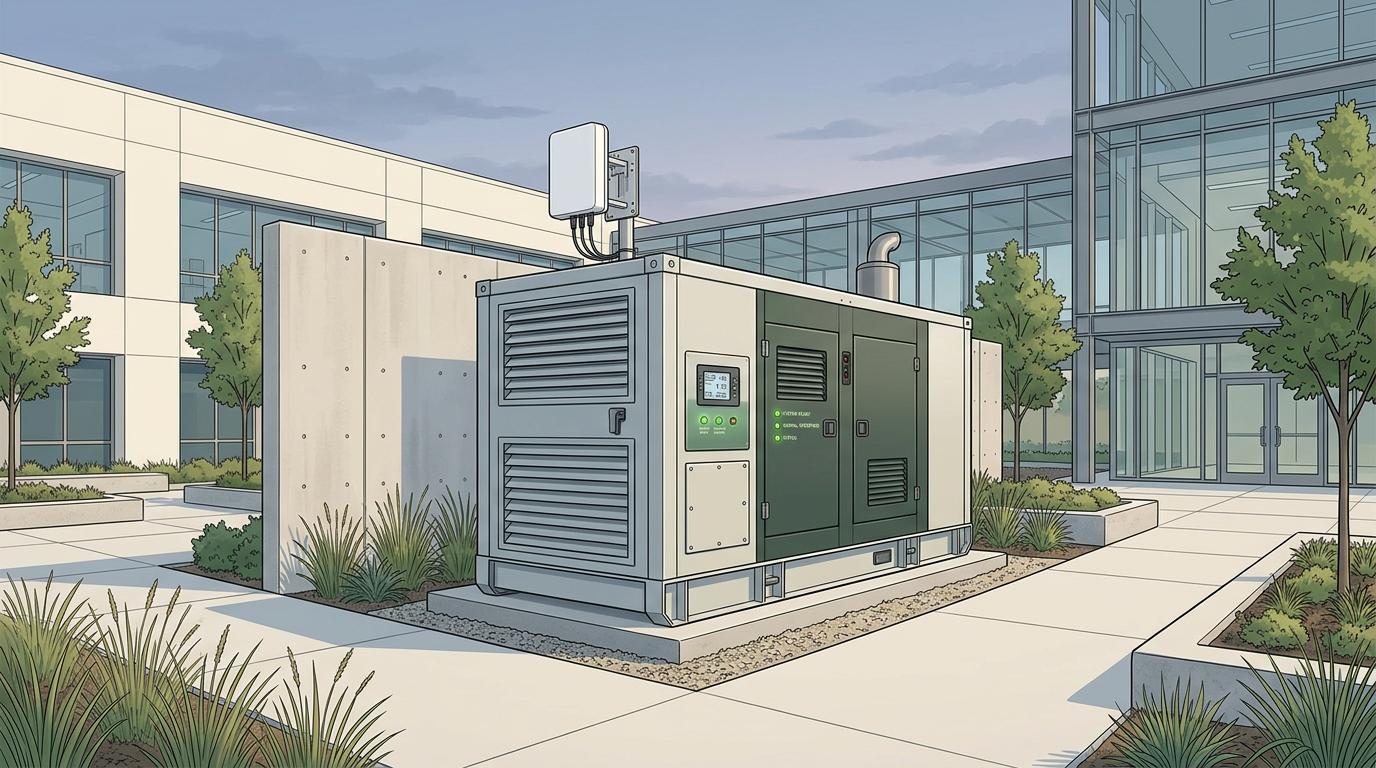
Wireless generator monitoring uses a communication arrangement to bring supported generator information to a monitoring platform without relying on the same network layout at every site. The term does not establish the measurement method, connectivity option or coverage available at a particular location. Before choosing a system, assess the actual equipment and site and ask how the platform handles delayed or missing information.
Map the wireless generator monitoring data path
Ask the provider to explain how each required reading reaches the platform. Separate the connection between the generator and monitoring equipment from the connection that sends information away from the site. A wireless description for one part of the arrangement should not be interpreted as a promise that no local wiring or installation assessment is needed.
Keep the equipment and measurement requirements in the brief. Identify the generator controller and the information the site needs to review. The proposed hardware and communications arrangement should be assessed against those requirements rather than chosen from the appearance of a dashboard.
Assess connectivity at the intended location
Give the provider the actual site and proposed installation location. Ask how connectivity will be assessed there and which dependencies the site must provide. Conditions elsewhere in the building or a general coverage statement do not establish the arrangement at the equipment's final position.
Include changes that could affect the installation or operating environment. A generator that is moved between work areas may need another assessment. Ask who should be notified before such a change and what the provider needs to confirm before the monitoring record is treated as current again.
Ask what users see during a communication gap
Request a demonstration of delayed readings, a lost connection and recovery. Ask whether the interface distinguishes a current measurement from the last received value and how the history records a gap. Those behaviours matter when a remote team is deciding whether it has enough information for a review.
Discuss what is retained by the particular installed equipment and what may be unavailable after an interruption. Keep that explanation specific to the offered system. Do not assume that every wireless product stores and forwards the same information or presents it in the same way.
Define ownership of the connection
Record the contacts responsible for the installed device, connectivity service, platform and generator. A data gap can require a different conversation from a technical equipment observation. Give the site team a route for reporting each kind of issue without expecting it to establish the cause first.
Ask how account access, device changes and configuration updates are controlled. The people reviewing data need an explanation of the relevant permissions and how changes are recorded. Include these questions in the service discussion rather than treating connectivity as a one time installation detail.
Pilot a complete operating workflow
Choose an asset, a monitoring task and the people who will perform it. Review whether the available measurements, data age indicators and support process meet that task's needs. Keep open questions visible throughout the pilot, including dependencies on site access or another team's network arrangements.
Record what the team learned before adding more locations. A successful assessment at one site provides a useful reference, but each new destination still needs its own equipment and connectivity requirements confirmed. Use a common brief so the differences between sites remain clear.
Common questions about wireless generator monitoring
Does wireless mean no installation work is needed?
No. Ask how the complete arrangement connects to the generator and transmits information. The proposed hardware and site still need the relevant installation and technical assessment.
Can a general coverage map confirm the connection?
Use it as background information and ask for assessment at the intended equipment location. The actual installation and operating conditions need to be considered for that site.
What happens when communication is interrupted?
Ask about the specific system's behaviour, including data age indicators, retained information and the way gaps and recovery appear in the platform. Do not infer those details from the product category.
Can a device move with a rental generator?
Discuss the proposed movement with the provider. The equipment association, installation and connectivity at the next location need confirmation before the monitoring information is relied upon there.
Who should investigate missing readings?
Use the agreed support route. A site can report the asset, missing information and observed timing, while the responsible technical or connectivity team assesses the cause.
What should be checked during a pilot?
Review the actual operating task, supported measurements, information age and support process. Include a discussion of communication interruptions rather than judging only a demonstration with complete data.
Assess the connection as part of the service
Bring equipment details, site information and the intended monitoring task into the same discussion. A clear data path makes both the installation and later support easier to understand.
Start with the readings and operating decisions your site needs to support. Discuss generator monitoring for your site