Generator rental
Mobile Generator Rental: Plan Movement Between Sites
Assess mobile generator rental around the work locations, equipment handling, transport responsibilities and power requirements at each stop.
By BorrowBox ·
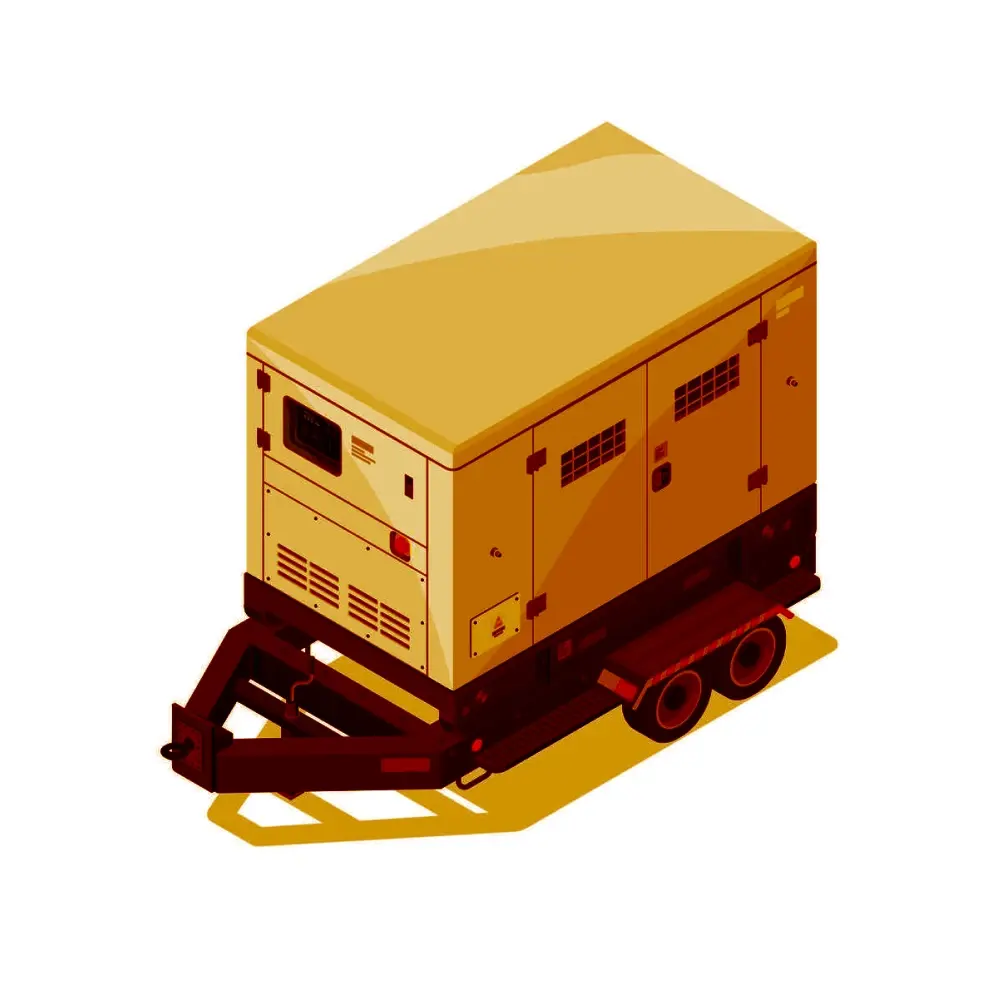
Mobile generator rental is useful to consider when temporary power is needed at changing work locations. The rental brief needs to describe both the power requirement and the movement programme. Ask the provider to assess the proposed equipment, transport arrangements and each operating location. The fact that a generator can be moved does not establish how it should be transported or where it can operate.
Connect mobile generator rental to the work locations
List the locations where power is expected to be used and the activity at each one. Explain whether the move is within a single site, between nearby work areas or between separate projects. Include the likely sequence and identify destinations that have not yet been confirmed.
Treat each location as a requirement to assess. Access, available operating space and the equipment being supplied can change between stops. Give the provider current information rather than assuming that a setup accepted at one destination can simply be repeated somewhere else.
Describe the power requirement at each stop
Prepare the available equipment ratings and the expected operating pattern for every activity. A work programme may change from basic lighting to machinery or temporary facilities. Ask the relevant electrical professional and rental team to assess whether the proposed generator and distribution arrangement suit those changes.
Keep uncertain requirements visible. If another contractor will bring equipment later, identify the person who can provide the missing information. Selecting a unit before those requirements are understood can leave the team trying to solve a different power problem after mobilisation.
Assign responsibility for movement
Ask who is responsible for transport, handling arrangements, access coordination and the handover at each destination. Request the applicable equipment information and have the relevant personnel assess the proposed movement. This is a planning discussion, not a guide to towing or loading a generator.
Confirm how a move is requested and authorised under the rental agreement. A change in location may affect support availability, access arrangements and the commercial scope. Keep the approved destination and responsible contact in the rental record so that the provider knows where the equipment is expected to be.
Plan the interruption around a move
Identify the activity that depends on the generator and the operating window available for relocation. Ask the responsible teams how the transition will be assessed and coordinated. Do not assume that movable equipment provides an uninterrupted supply while its location is changing.
Record what needs to be ready at the next site and who confirms readiness. The transport programme, technical assessment and operating programme should refer to the same destination and sequence. That helps distinguish an equipment movement from a complete, accepted power arrangement.
Keep a destination and handover record
- Site reference, access contact and proposed operating location.
- Activity, load information and expected operating pattern.
- Transport and handling responsibilities agreed with the provider.
- Required assessments and conditions still to be confirmed.
- Movement approval, handover record and next service contact.
Retain the record with the rental agreement and update it when the programme changes. A short movement history can be useful during maintenance planning and collection, particularly when different supervisors manage the equipment at different destinations.
Common questions about mobile generator rental
Does mobile mean the equipment can be moved by anyone?
No. The equipment and proposed movement need the appropriate assessment and authorised arrangements. Ask the provider to identify the relevant transport and handling responsibilities for the actual unit.
Can a generator be moved to another project during hire?
Check the rental agreement and ask the provider to confirm the change. Location can affect access, operating conditions and the support arrangement attached to the rental.
Does each site need a different power brief?
Record the requirements at each location, including differences in equipment and operating patterns. The technical team can then assess whether the same proposed arrangement suits the programme.
What should be included in a movement quotation?
Ask for the equipment scope, transport and handling responsibilities, destination assumptions and applicable support. Keep charges for additional moves distinguishable from the initial mobilisation.
Can the equipment supply power during a move?
Discuss the required operating continuity with the relevant technical team. The ability to relocate equipment should not be treated as a statement about supply during the transition.
What is useful before the final collection?
Confirm the current equipment location, access contact and agreed collection arrangement. Give the provider an updated movement record if the generator has changed sites during the rental.
Choose mobility around a complete programme
Share the power brief and location sequence together. A clear movement plan gives the rental partner a better basis for assessing equipment and support.
Share your equipment list, operating programme and site details with BorrowBox. Discuss generator rental for your site