Generator rental
Generator Rental Problems: Find Gaps Before Booking
Review generator rental problems through load assumptions, site readiness, fuel responsibilities, support contacts and the process for changing the plan.
By BorrowBox ·
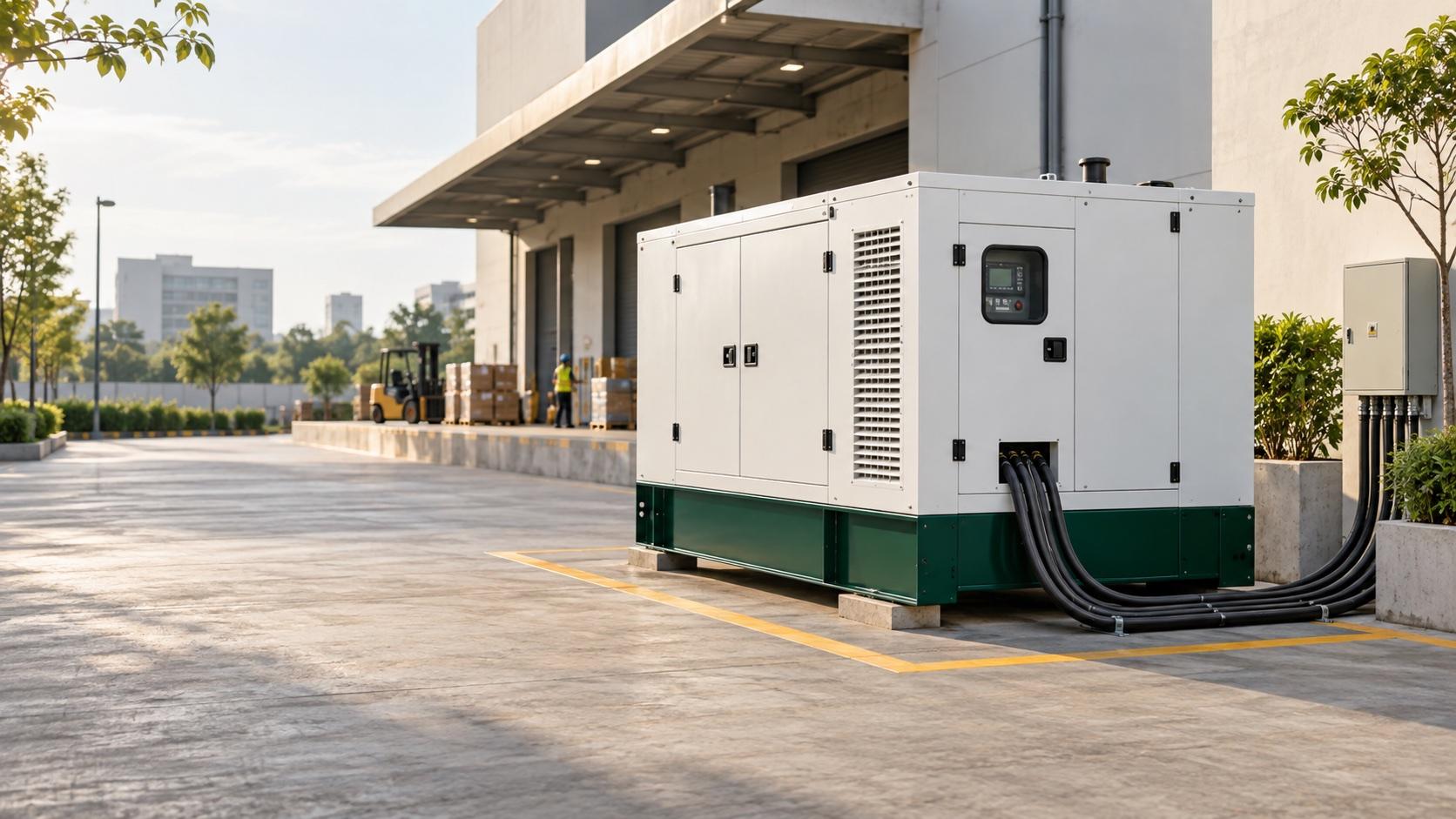
Generator rental problems can arise when the equipment brief, site information and operating responsibilities do not describe the same requirement. A useful prevention review looks for missing assumptions before booking and keeps changes visible during the rental. This guide focuses on procurement and coordination gaps, with technical decisions left to the appropriately qualified people assessing the actual site and equipment.
Review generator rental problems as unanswered questions
Start with the written scope rather than a list of general things that might go wrong. Ask which parts of the arrangement are confirmed, which depend on assessment and which have no named owner. An equipment quote can look complete while access, operating support or collection remains an unresolved site task.
Keep the open questions beside the proposal. Each needs a responsible contact and a clear next step. This gives the team a way to review readiness without treating a reassuring conversation as evidence that every dependency has been resolved.
Check whether the equipment brief is current
Compare the proposed supply with the available load information and operating programme. Ask the relevant electrical professional and rental team whether the assessment used the current requirement. A later machinery addition or shift change should be part of another review rather than assumed to fit the original proposal.
Record what is uncertain in the equipment list. Missing ratings, an unconfirmed contractor requirement or a changing programme can affect the assessment. Give those gaps a route back to the person who can provide the information instead of filling them with an approximate capacity request.
Separate delivery from site readiness
Ask what the provider needs to confirm access, handling and the proposed operating location. Identify any installation or distribution arrangements involving another team. The fact that equipment can be dispatched does not establish that the complete site arrangement is ready for operation.
Keep the intended programme and provider confirmations distinguishable. If access or another contractor's work changes, update the relevant contacts and record the revised plan. An old delivery message should not remain the only shared reference after the site conditions move on.
Make fuel and support responsibilities explicit
Document who coordinates fuel requirements, keeps operating records and arranges service access. Ask how an incident is reported, who receives it and how confirmed updates reach the site. The commercial agreement and the contact record should support the same understanding of the service being provided.
Use the agreed incident process if an operating problem occurs. Keep the asset identity and observed information available for the responsible service team. Do not substitute an internet troubleshooting routine for the applicable site instructions and technical assessment.
Keep changes from becoming informal commitments
An extension, location change or revised operating pattern can affect the equipment and support arrangement. Ask who can request and authorise a change and how the revised scope is recorded. Give the next shift access to that record so it is not dependent on the person who made the request.
Review collection and closure before the rental ends. Confirm the current location, access contact and handover arrangements. Keep any unresolved invoice or equipment questions attached to an owner rather than treating removal of the generator as the end of the administrative process.
Common questions about generator rental problems
Can a detailed brief prevent every operating issue?
A brief cannot establish that no issue will occur. It does make assumptions, responsibilities and open questions visible so that the appropriate teams can assess and manage the arrangement.
What is the most useful question before accepting a quote?
Ask what the proposal assumes the site will provide or arrange. Compare those assumptions with the actual site plan and identify any item that still lacks confirmation.
What if equipment requirements change after booking?
Update the brief and request the appropriate technical and commercial review. Do not treat an addition as accepted until the responsible parties have confirmed the revised arrangement.
Does confirmed delivery mean the generator is ready for use?
Delivery is one part of deployment. Ask the relevant teams to confirm the assessed installation, distribution and operating arrangements for the equipment at the actual site.
How should an operating incident be recorded?
Follow the site's process and give the service team the asset identity, observed issue and available operating information. Preserve the original observations without inventing a diagnosis.
What should be reviewed after collection?
Close the handover and operating records and follow up any outstanding commercial or equipment question. Keep the outcome available when the business prepares its next rental brief.
Turn uncertainty into an assigned task
A useful rental review does not need to predict every failure. It needs to show what is known, what needs assessment and who is responsible for the next decision.
Share your equipment list, operating programme and site details with BorrowBox. Discuss generator rental for your site